Designing an online learning platform for Independent Filmmakers
For my Masters Human-Computer Interaction Capstone Project, I designed an online learning platform for an industry client that sought to introduce the concept of certification to the independent film industry.
Role: UX Researcher & Commiunications Lead
Collaborators: Capstone Team of five other UX researchers and designers, Independent Filmmakers
Duration: 9 Months (University of Maryland HCI-Masters Final Year Capstone Project)
Why make a filmmaking learning platform in the first place?
Our clients who had experience working in the film industry presented us with the thesis that the film industry lacks a certification program, unlike other industries such as law, accounting or medicine. What would precede a certification is a learning program, and the best way to deliver teachable content these days is online.

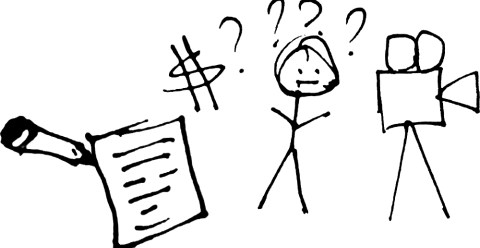
A lack of any standardized learning program meant that aspiring filmmakers trying to get into the film industry were wholly unequipped to make a breakthrough, or secure funding for the movies they wanted to make.
The average filmmaker trying to enter the industry lacks the fundamental business knowledge to prepare a film pitch complete with budget line items, and to earn the trust of a potential investor.
Background Research
To get started, we conducted some background research via semi-structured interviews with established industry professionals that our client was kind enough to connect us to. One of them was Eduardo Sanchez, the director of the Blair Witch Project!
The purpose of this research was to immerse ourselves in the workings of the film industry before we set out to research and design a learning platform catered to it.
Our core background research questions:
- What is their attitude about learning business when making a film?
- How do they currently feel about the quality of their film business education so far?
- How have they attempted to fill in these knowledge gaps throughout their career?
- What forms of learning have they responded well to in the past? and why?
How to get access to a peoples’ business?
The film industry is already a tight-knit peoples' business, with outsiders having a tough time accessing it. It was even harder to get access to a group of students. Despite our client providing us with some help, we were mostly left on our own to recruit the right kind of end-users for our research.
So we decided to explore users in contexts similar to what we were building. We decided to also reach out to people from other creative professions who needed to learn the business and technical skills to succeed in their industry.
We ended up recruiting users who had gone through learning programs to earn certifications in the nursing and law professions, in addition to career filmmakers and film students.
Key User Interview Findings
Online learners are receptive to self-paced learning, especially if the content comes from a known and reputable source.
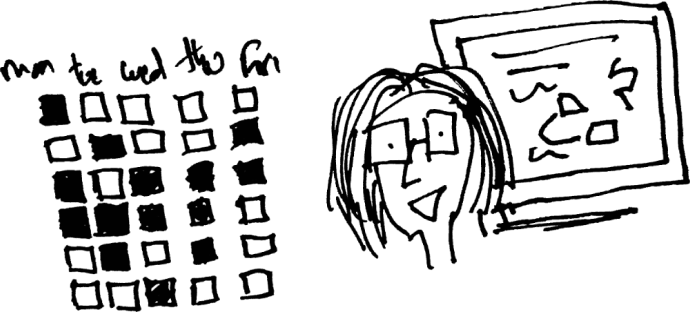
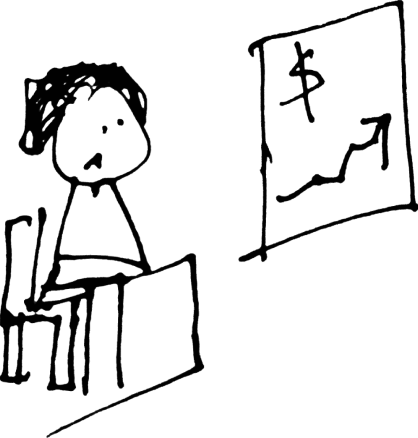
Filmmakers or film students aren’t particularly receptive to business learning unless it is taught in the context of making movies.
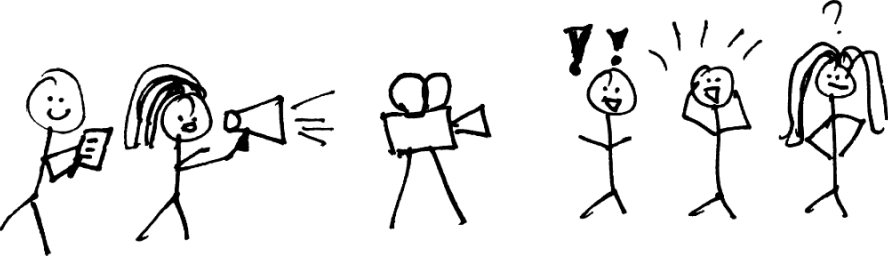
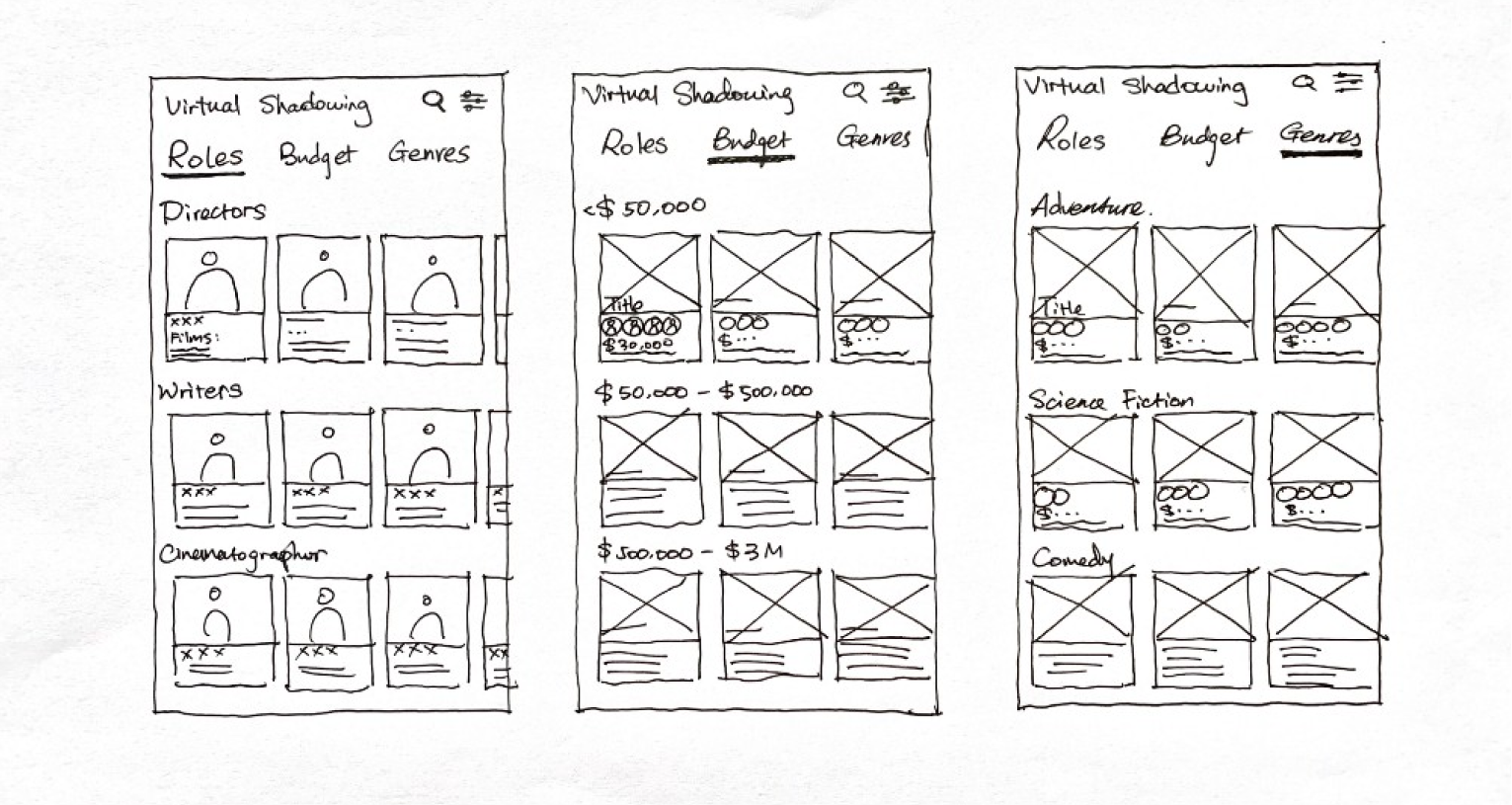
Since filmmaking is a very collaborative and hands-on exercise, the holy grail of learning for any filmmaker is to visit a film set and shadow a filmmaker.
Brainstorming & Ideation
Once armed with the key insights, we started exploring different ideas via visions and storyboards:
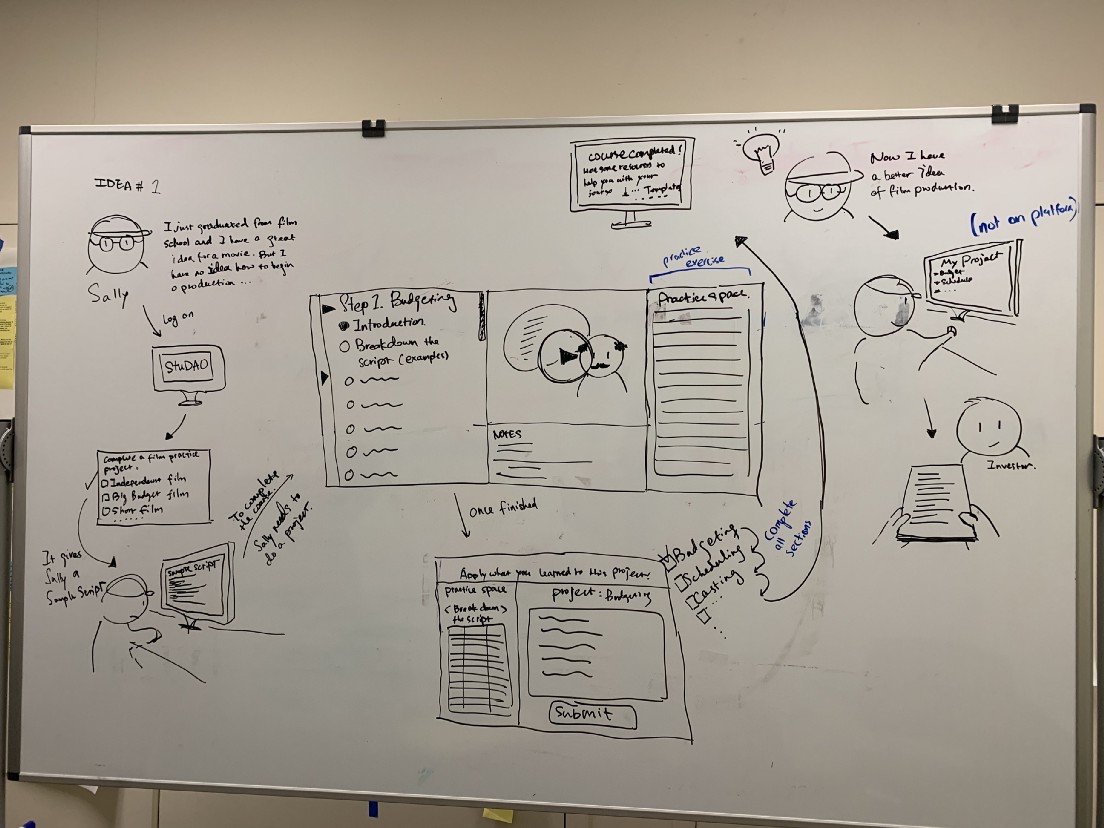
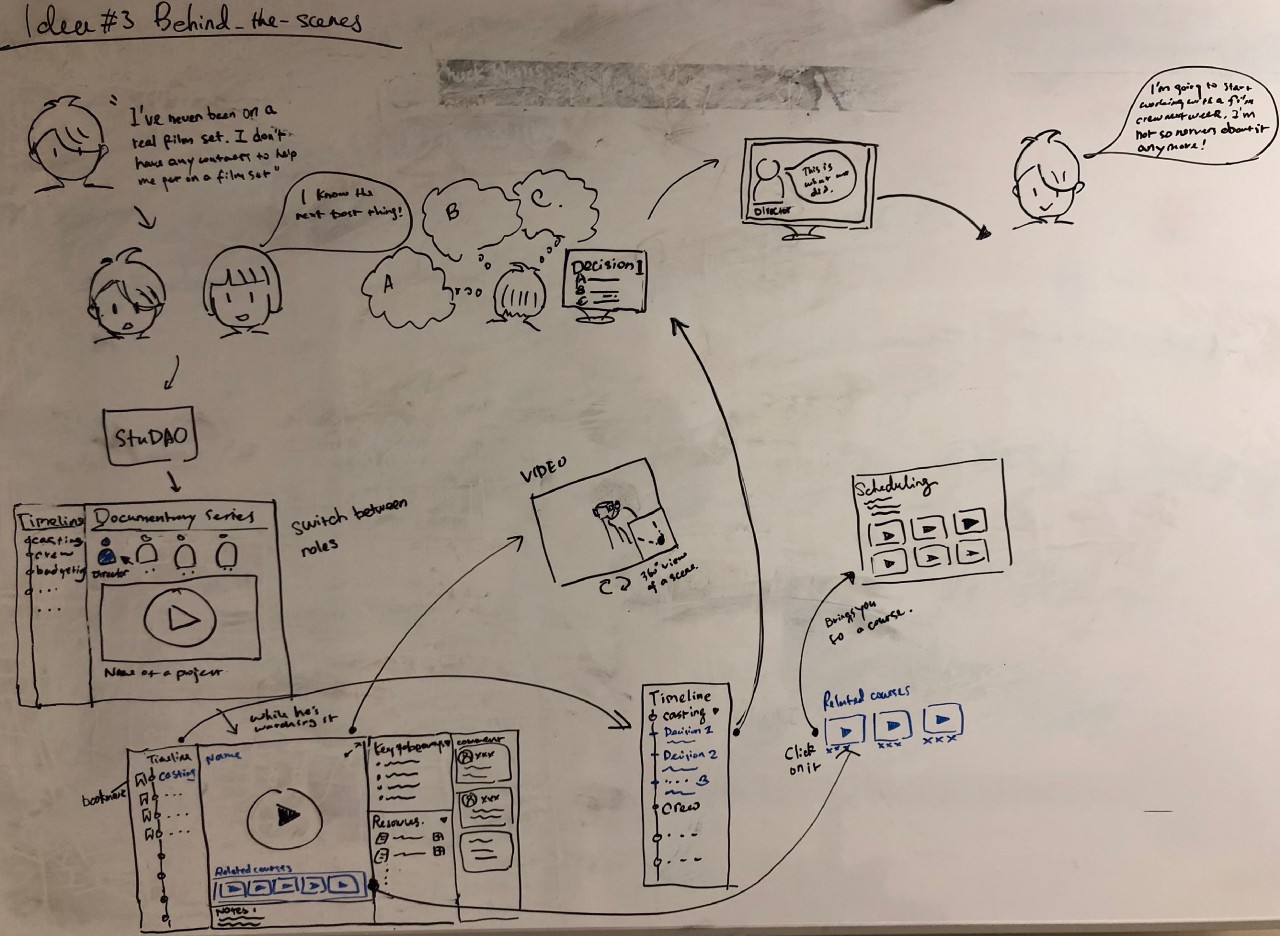
The storyboards were discussed among the team, and also with the client to come up with a consensus of the best combination of achievable and effective design ideas.
Lo-Fi Prototype
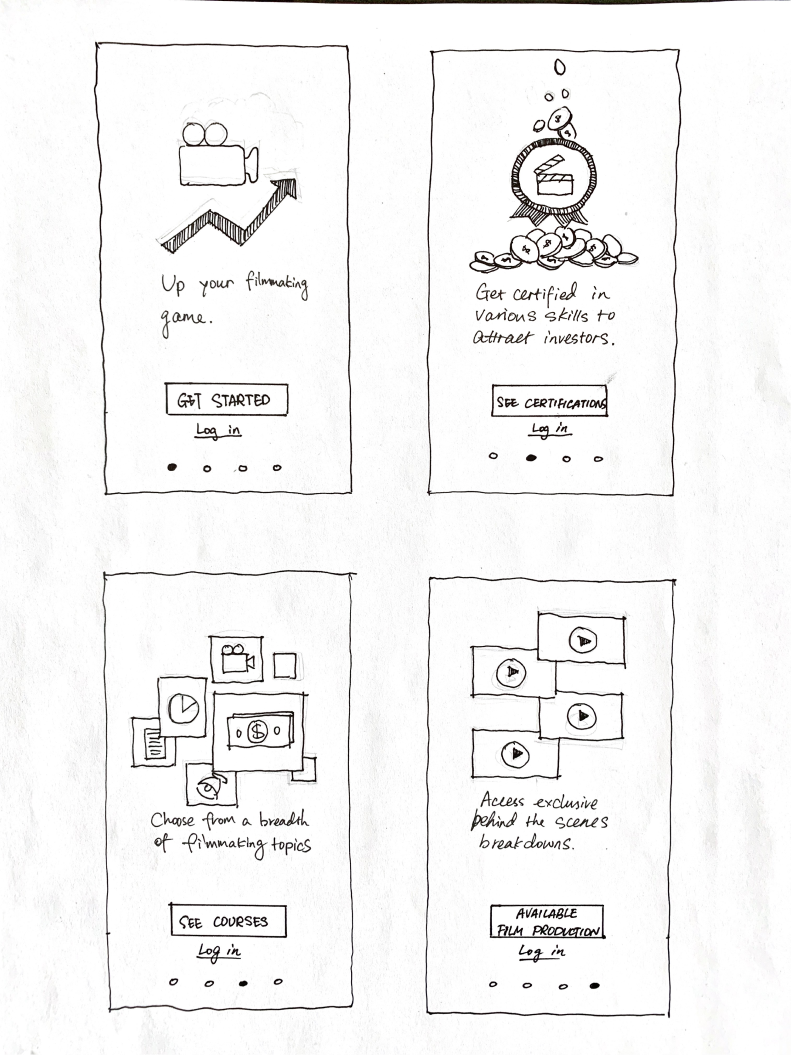
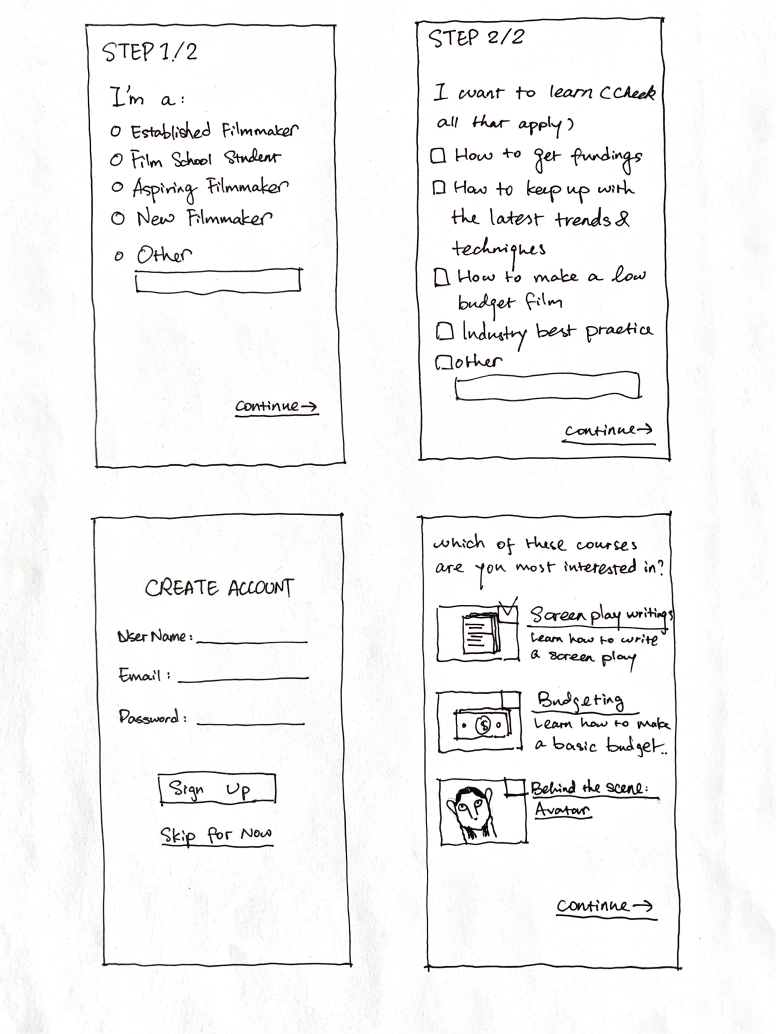
We decided it best to do our Lo-Fi prototypes using Paper prototypes, so that we could make changes to our designs on the fly while user-testing.
High Fidelity Prototype
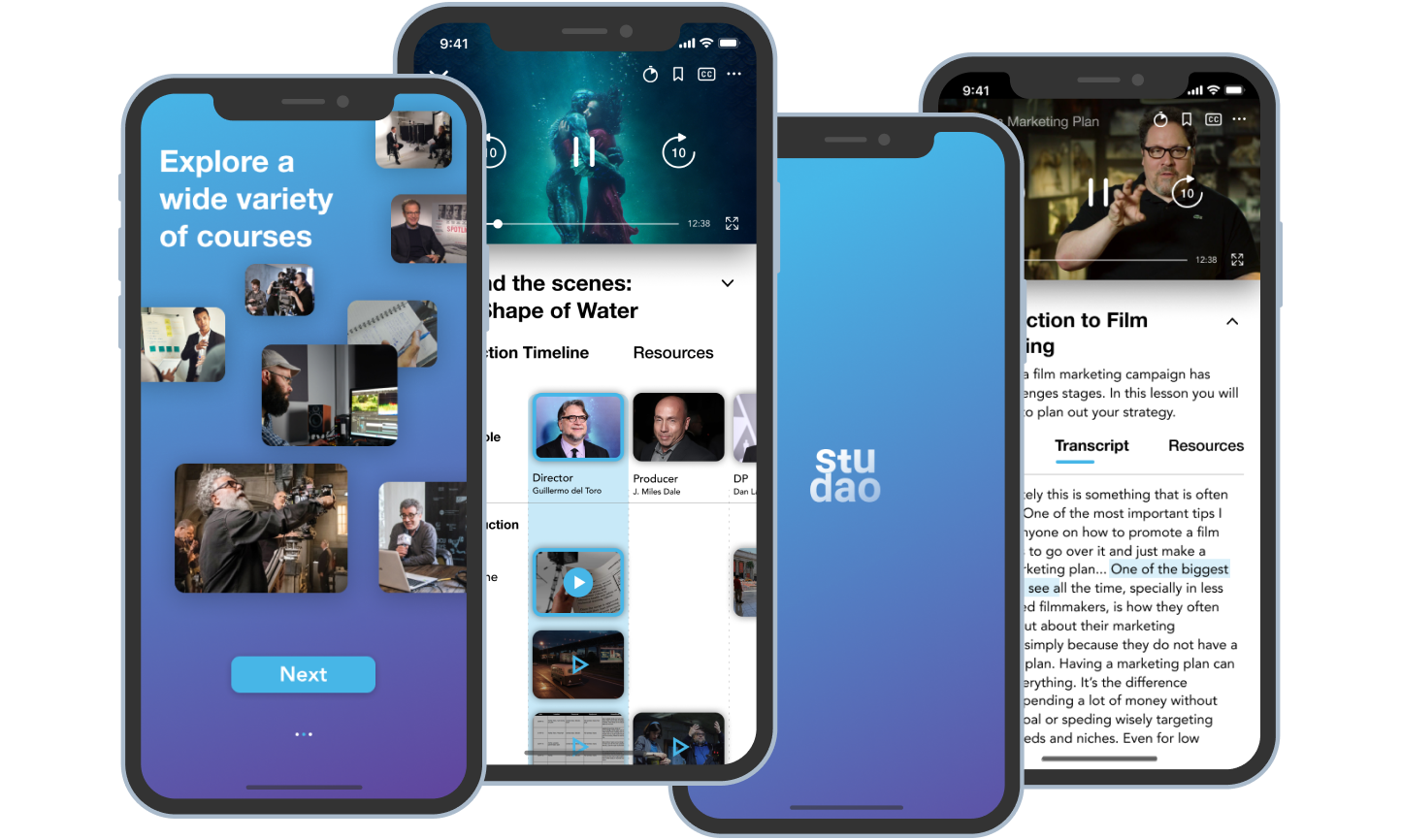
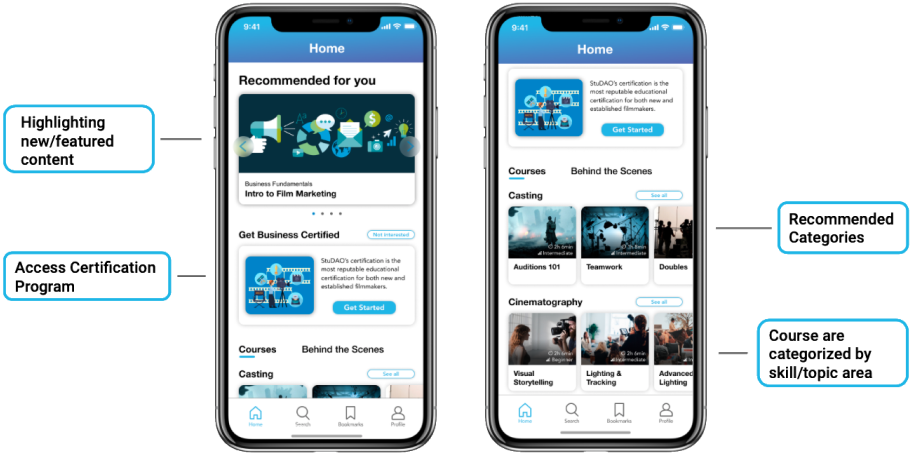
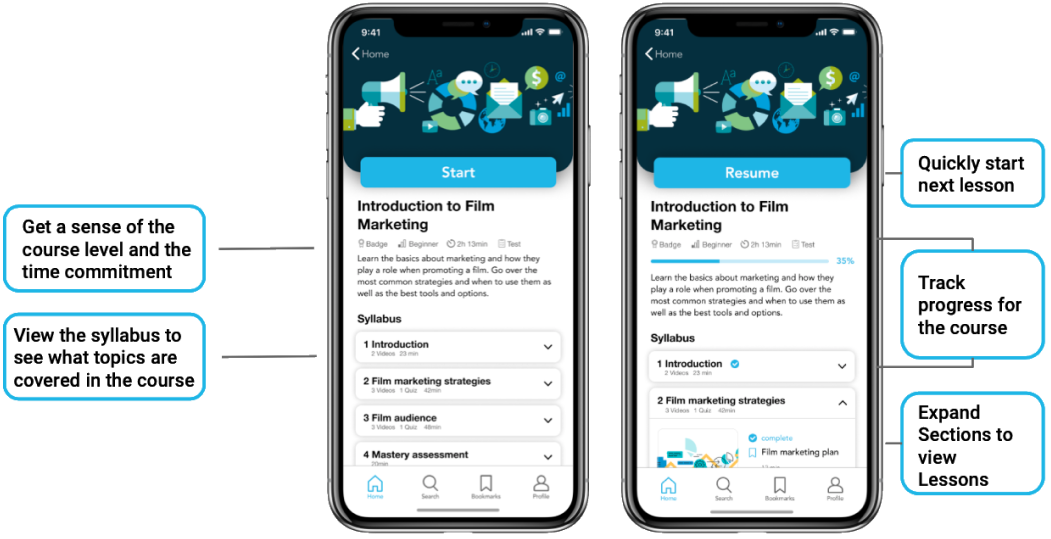
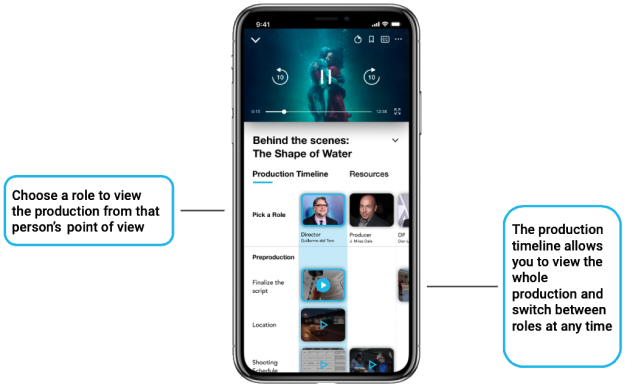
Once we validated our design via the lo-fi prototype testing, we set out to make a final high fidelity design and produce an interactive online prototype as part of the final deliverables of the project. Below is a preview. You can also view the working prototype here.
Style Guide
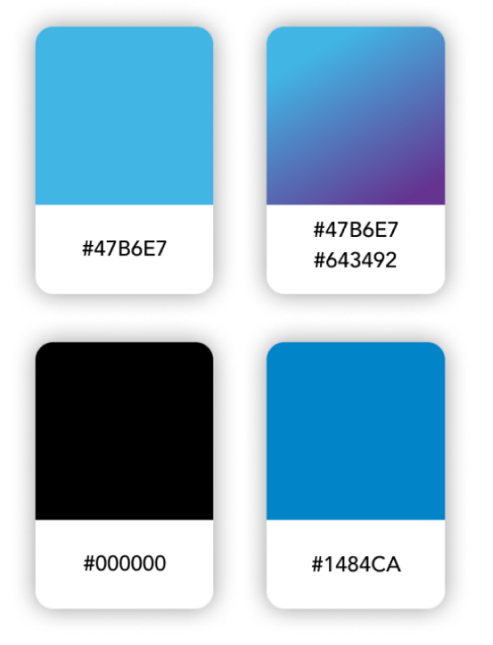
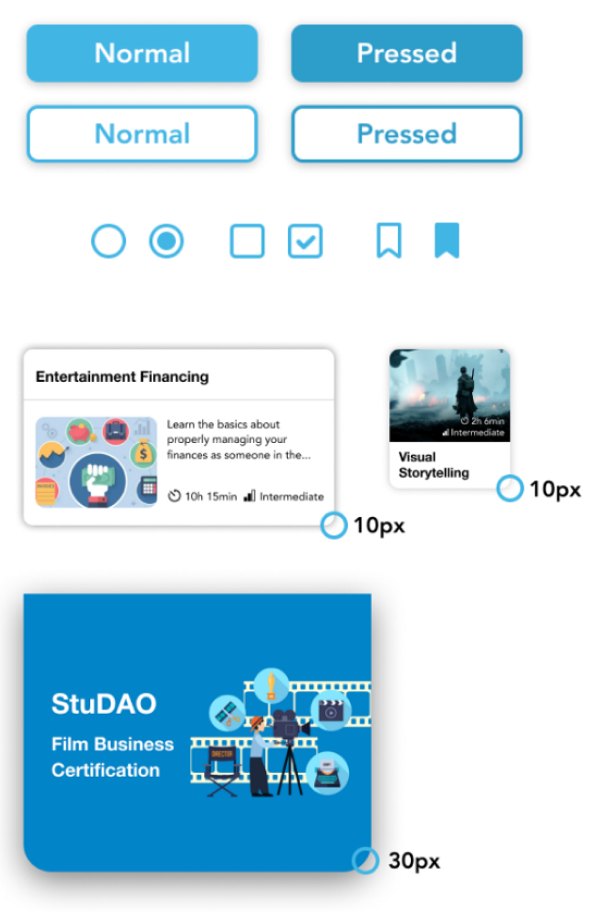
We delivered the final design complete with a Style Guide, so that the client could build any additional components on top of the proposed application design in the future.